
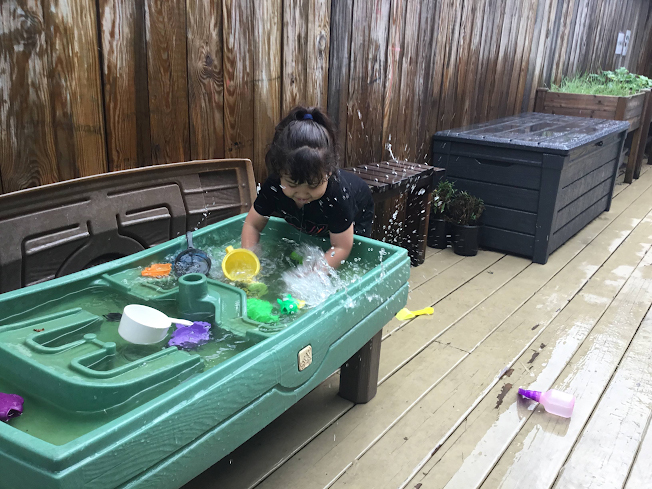
Puddles, pools, bathtubs, fountains: if it splashes, shimmers, or even trickles, your child might be drawn to it like a little fish who’s just discovered their natural habitat! While some children might run from raindrops, yours could be happily inventing synchronized puddle-jumping routines. We know this watery attraction can bring both laughter and a few worries. So, let’s wade in together. Think of this as your unofficial guide!
Autism spectrum disorder (ASD) covers a wide range of developmental differences that affect social interaction, communication, interests, and how each person experiences the world. Neurodiversity is about honoring these differences, seeing every brain as wired with incredible potential.
For many autistic children, the world is a loud, bright, and often overwhelming place. Water, however, offers a unique and calming sensory experience. Think of it as the world’s best noise-canceling headphones combined with a gentle, weighted blanket.
- A Predictable Playground: The way water moves, reflects light, and feels on the skin is consistent. A splash is always a splash. This predictability can be incredibly soothing in a world that often feels chaotic. While you’re trying to figure out why the grocery store rearranged the cereal aisle again, your child is enjoying the reliable physics of a drip from a faucet.
- The Perfect Pressure: Being in a pool or even a full bathtub provides gentle, even pressure all over the body. This is known as deep pressure, and it has a powerful calming effect on the nervous system. It’s a full-body hug without any of the awkward social expectations.
- Visual Magic: The way light dances on the surface of water, the ripples that spread outwards, the mesmerizing swirls of color when you add bath soap—it’s a visual delight! For a child who processes the world visually, water is a captivating, ever-changing piece of art.
- A World Without Words: The underwater world is quiet. The muffled sounds and the feeling of floating can provide a much-needed break from verbal demands and auditory overload. It’s a peaceful retreat where they can just be.
So, when your child is gleefully stomping in a puddle, they’re not just getting their new shoes muddy. They’re engaging in a rich sensory activity that helps them regulate their bodies and minds. They’re finding their calm in the chaos.
Making Water a Safe Space
As much as we can appreciate the sensory appeal of water, we also have to acknowledge the serious need for water safety. The strong attraction to water, combined with potential challenges in understanding danger, makes this a critical area of focus for our families. We know this is a source of anxiety for many parents, and your concerns are completely valid.
Here are a few practical, empowering steps you can take to make water a source of joy:
Prioritize Swimming Lessons: Find an instructor who has experience teaching neurodiverse children. Look for programs that offer individualized, one-on-one instruction and understand sensory needs. The goal isn’t just to learn strokes, but to learn how to be safe: how to float, how to get to the side of the pool, and how to stay calm.
Create Physical Barriers: At home, this means secure locks on doors leading outside, especially those near pools or other bodies of water. Alarms on doors and windows can also be an excellent tool, acting as your backup when you inevitably need to blink.
Use Visual Cues: Social stories and visual aids can be powerful. Create a simple, clear story about water rules: “We only go near the water with a grown-up.” Use pictures to show what is safe (holding a hand) and what is not (running toward the pool alone).
Never Underestimate Supervision: We know you’re already a superhero of vigilance. But with water, that focus needs to be absolute. At the pool or beach, designate a “Water Watcher” whose only job is to watch the kids. No phones, no books, no multitasking. It’s a team effort.
Turning Fascination into Fun and Growth
Embracing your child’s interest in water can be a wonderful opportunity for connection and development. It’s about meeting your child where they are and building from their unique strengths.
- Structured Water Play: Turn bath time into a mini science lab. Explore what sinks and what floats. Add food coloring to teach about mixing colors. Use water wheels and cups to explore cause and effect.
- Therapeutic Fun: If your child loves the pool, use it for therapeutic activities. Practice blowing bubbles to help with breath control for speech, or play games that involve kicking and reaching to build motor skills. You’re building strength and coordination, and they just think they’re playing Marco Polo.
- A Tool for Regulation: When you see your child getting overwhelmed, a supervised “water break” might be just what they need. This could be 10 minutes of splashing in the sink or a calming bath. It’s a healthy coping strategy that honors their sensory needs.
Your child’s unique journey is filled with incredible moments of discovery. Their love of water isn’t just a quirk; it’s a window into how they experience the world.
By understanding the sensory appeal and focusing on safety, we can transform this powerful attraction into a source of progress, confidence, and shared family fun. Together, we can help them navigate the world. Both in and out of the water!
Learn More About My Programs
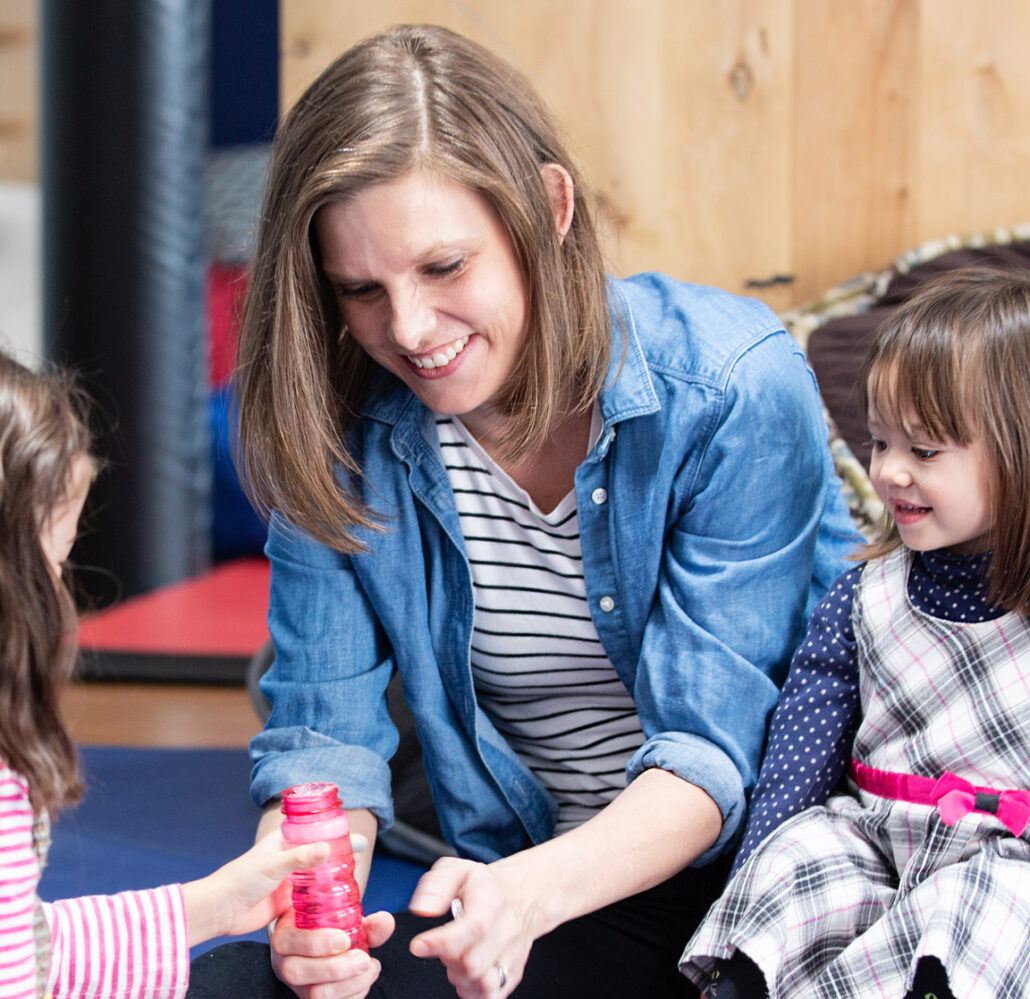
Blue Bird Day is a rotational therapy program structured like a preschool or kindergarten, but instead of teachers all our staff are therapists! This program is designed to foster socialization, sensory regulation, and learning for children ages 2-7 and helps provide children the tools they need to succeed in a traditional classroom.
Eyas Landing is an outpatient therapy clinic that provides services for children ages 0-21. Our multidisciplinary team of therapists provide ABA, developmental, occupational, physical, speech, nutrition and feeding therapy along with early intervention, social work, counseling, and neuropsychological testing at our West Loop clinic, in-home, at school, and virtually.
Merlin Day Academy is a therapeutic day school for children ages 6-14. Our proprietary model utilizes daily therapeutic and educational rotations to support children’s growth, learning, and their transition into the least restrictive environment possible.